



1 min read

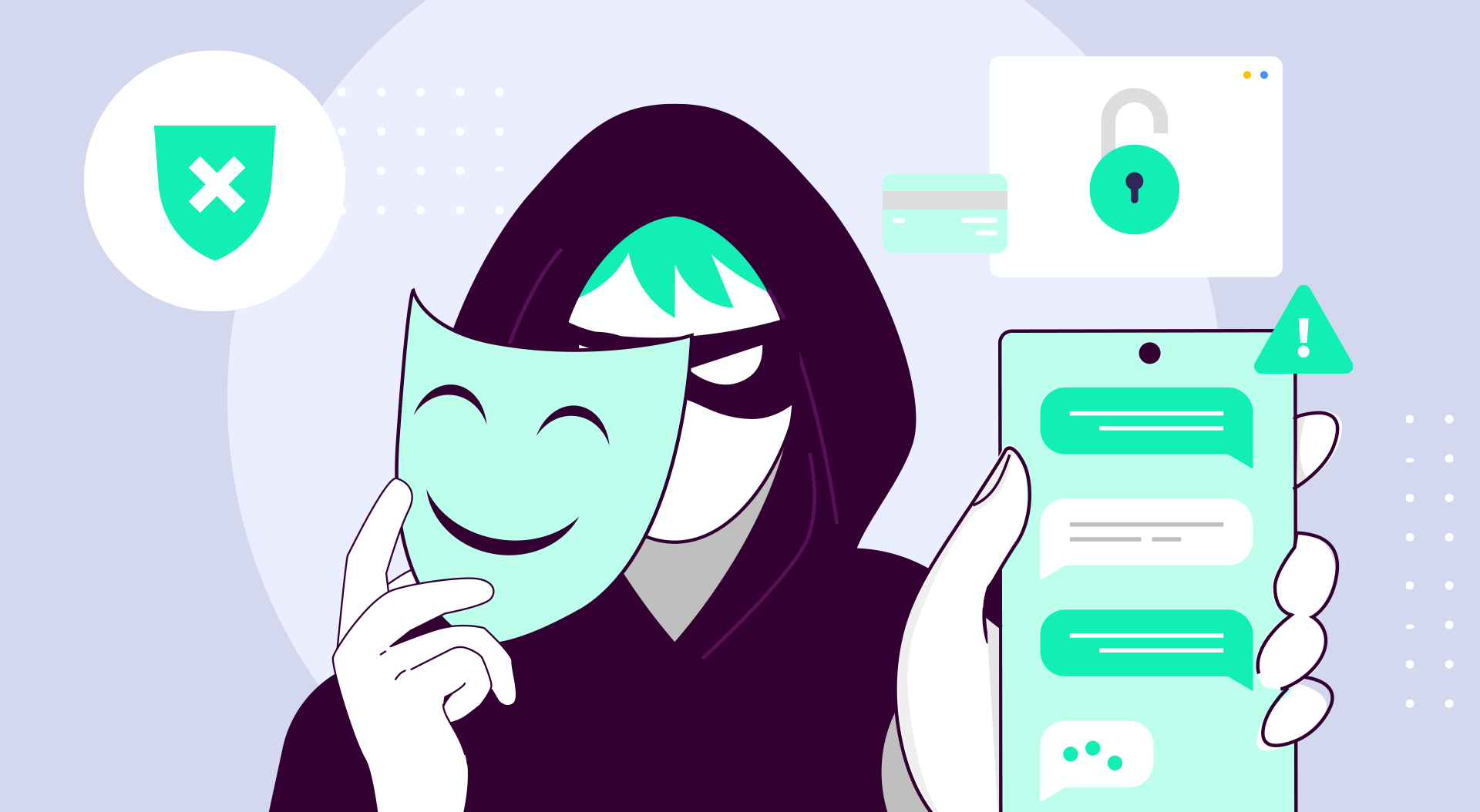
Workplace scams are evolving. One of the most common types targeting employees today is CEO fraud, where cybercriminals impersonate company executives via email, messaging apps, or even phone calls to trick team members into sending money or sensitive data.
Whether you work in HR, finance, sales, marketing, operations, or product, it’s critical to know how these scams operate, and how to protect yourself.
These scams typically involve someone pretending to be your boss or another senior executive. They might send a message asking you to:
At Techsouogy, we’ve seen scammers create fake WhatsApp accounts using the CEO’s name and profile picture, then message employees with urgent-sounding requests.
By staying alert, employees can be the first line of defense in protecting themselves, and the company, from falling into a scammer’s trap.
Subscribe to our newsletter
Important Security Notice
Beware of scammers impersonating Techsoulogy brand
We have identified fraudulent activities where malicious actors are imitating Techsoulogy assets. These scams may compromise your security.
⚠️ Warning: The URL you came from has been flagged as potentially harmful.
To stay safe, only trust communications and services from the official Techsoulogy domain: techsoulogy.com
